


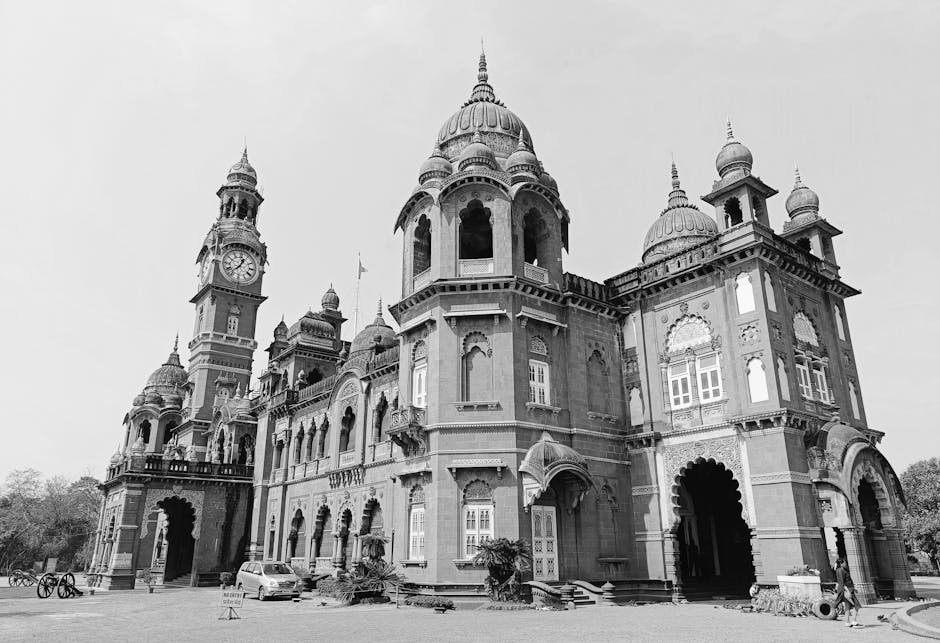

Kolhapur Municipal Corporation 2017 Election Results: Party Performance Analysis
The 2017 Kolhapur Municipal Corporation elections produced a mixed outcome that reflected local dynamics rather than a uniform sweep by any single party, with established regional formations and local groups sharing power across wards. This analysis looks at the distribution of seats, vote patterns, operational strengths of parties at the ward level, and implications for governance in Kolhapur.
Overall seat distribution and immediate outcomes
In the 2017 municipal poll, no single party achieved an overwhelming majority across all wards, resulting in a fragmented corporation where coalition-building and informal alliances determined control of key committees and the mayoral post. Parties with strong grassroots networks — including regional parties, national parties with local wings, and independent or civic fronts — each secured meaningful footholds in different parts of the city. This fragmentation framed the subsequent period of municipal governance, requiring negotiation between parties to pass budgets and prioritize projects.
Party-wise performance and geographical strengths
The election map in Kolhapur showed clear geographic patterns: some parties performed strongly in central urban wards where development and infrastructure issues dominate voter concerns, while others found their bases in peripheral wards where local services, sanitation, and basic amenities were decisive. Regional parties and local outfits typically did better in wards with strong community networks and where candidate-locality ties mattered most. National parties that invested in visible local campaigns and candidate profiling also won competitive wards, but their performance varied ward by ward.
Role of independents and local fronts
Independents and local civic fronts played a significant role in the 2017 results, winning several wards and thus becoming pivotal in the post-election arithmetic. These candidates often campaigned on specific neighbourhood issues and personal reputations rather than broader party platforms, which appealed to voters prioritizing immediate municipal services. Their presence increased the bargaining power of smaller groupings during the formation of committees and in negotiations over development priorities.
Voter turnout and issue salience
Turnout patterns in municipal elections are typically lower than in state or national polls, but the voters who participated in 2017 in Kolhapur tended to prioritize tangible civic issues: water supply, drainage, waste management, road repairs, and street lighting. Wards where local infrastructure deficits were acute saw mobilized electorates who rewarded candidates promising quick, visible fixes. Where parties presented credible, ward-specific plans and followed through on localized campaigning, they tended to perform better.
Campaign strategies that mattered
Three campaign elements stood out in 2017: candidate visibility, local organization, and micro-level promises. Candidates who maintained sustained contact with residents in the run-up to polling — through ward meetings, door-to-door outreach, and visible local initiatives — often converted personal goodwill into votes. Parties that deployed experienced ground-level workers and local leaders to manage booth-level operations also benefited in closely contested wards. Conversely, campaigns that relied primarily on broader ideological messaging without addressing ward-level problems underperformed.
Implications for governance and policy priorities
The fragmented verdict meant that municipal governance in Kolhapur relied on coalition arrangements and consensus for routine decisions. This had both positive and negative effects: on the positive side, broader consultation and power-sharing sometimes led to more inclusive priority-setting; on the negative side, fragmented control occasionally slowed decision-making on large projects and constrained rapid implementation. As a result, municipal administration prioritized short- to medium-term service delivery projects that could gain cross-group support, such as targeted road repairs, sanitation drives, and localized water-supply improvements.
Lessons for future contests
For political actors, the 2017 results underscored the importance of ward-level organization and candidate selection rooted in the locality. Parties seeking better outcomes in future Kolhapur municipal contests would need to invest in sustained civic engagement, timely response to service complaints, and transparent delivery on promises to build trust between elections. For voters, the election reinforced that municipal outcomes are most influenced by localized performance and the ability of elected representatives to address everyday civic needs.
Concluding observations
The 2017 Kolhapur Municipal Corporation election was a reminder that urban municipal politics operates on a different logic from state and national contests: proximity, service delivery, and candidate accessibility determine success more than grand narratives. The resulting multi-party composition of the corporation emphasized negotiation and pragmatic governance, with local issues driving both political competition and administrative priorities in the years that followed.