


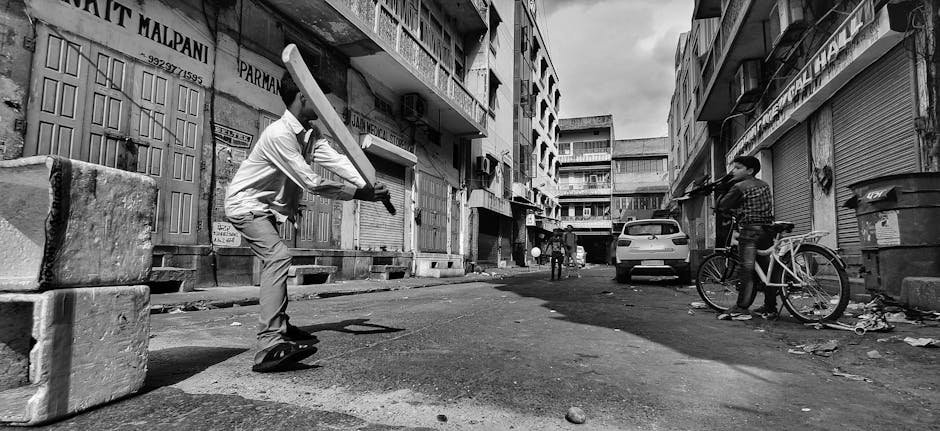

Parbhani Civic Issues 2026: This article lists the top 10 civic problems Parbhani voters say they want fixed ahead of the 2026 local elections, based on common urban and regional concerns observed across Maharashtra municipal contests and local reporting on Parbhani civic affairs.
1. Unreliable water supply and leakage-prone distribution
Residents repeatedly cite erratic tap water schedules, low pressure in many wards and frequent leaks in distribution mains that waste treated water and increase costs for the municipality.
Why it matters
Regular, safe water is a basic service; interruptions push households to buy bottled water or depend on private tankers, increasing living expenses and exposing low-income families to health risks.
2. Poor road condition and inadequate stormwater drains
Potholes, uneven surfaces and narrow roads that cannot handle current traffic volumes are recurring complaints, alongside clogged or missing storm drains that cause flooding during heavy rains.
Why it matters
Bad roads affect commute times, increase vehicle maintenance costs and create safety hazards for pedestrians, cyclists and two-wheeler riders; flooding damages homes and local businesses.
3. Solid waste management and irregular garbage collection
Many voters want a comprehensive system for collection, segregation, timely pickup and scientific disposal or processing of solid waste rather than ad-hoc dumping or open burning.
Why it matters
Poor waste management increases disease vectors, fouls public spaces, harms local waterways and undermines efforts to improve tourism or local commerce.
4. Public health infrastructure and primary care access
Voters ask for better-equipped primary health centres, sufficient medical staff, reliable medicine supply and outreach services for maternal and child health in peripheral wards and rural pockets of the municipal area.
Why it matters
Stronger primary care reduces pressure on tertiary hospitals, improves preventive care uptake and is essential for pandemic preparedness and routine immunisation drives.
5. Street lighting and public safety
Insufficient or non-functional streetlights, particularly in inner lanes and market areas, are repeatedly mentioned as factors that reduce safety after dark and hamper economic activity in evenings.
Why it matters
Well-lit public spaces deter petty crime, improve road safety and allow informal evening markets and services to function more securely.
6. Urban planning, encroachment and informal settlements
Citizens want clearer land-use planning, enforcement against illegal encroachments that block roads or drains, and humane, rights-based solutions for informal settlements instead of ad-hoc evictions.
Why it matters
Orderly urban planning preserves public assets, ensures fire and emergency access, and enables future infrastructure projects to progress without costly delays.
7. Public transport connectivity and last-mile links
Improved bus routes, frequency, affordable fares and last-mile connectivity—especially linking neighbourhoods to railway stations, market hubs and industrial areas—are priorities for daily commuters.
Why it matters
Reliable public transport reduces congestion, lowers household travel costs and supports labour mobility, which in turn influences employment and business activity.
8. Sewerage networks and wastewater treatment
Many wards still experience overflowing sewers, open drains and inadequate sewage treatment capacity; voters want repaired pipelines and functioning treatment plants to prevent contamination.
Why it matters
Functional sewerage protects public health, prevents contamination of groundwater and rivers, and is a prerequisite for sustainable urban growth.
9. Employment, skill development and youth engagement
Locally relevant job opportunities, vocational training centres and schemes that link youth to nearby industries or entrepreneurship support are frequently mentioned as lacking.
Why it matters
Economic opportunities reduce distress migration, energise the local economy and help channel youth energy into constructive civic participation.
10. Transparency, grievance redress and ward-level governance
Voters want easily accessible grievance channels, faster complaint resolution, transparent budgeting and stronger ward committees that genuinely involve residents in planning and monitoring local works.
Why it matters
Transparent processes build trust in municipal institutions, ensure that budgets target real needs and allow residents to hold elected officials accountable between elections.
Fixing these ten issues will require a mix of short-term operational fixes and longer-term investments in planning, human resources and technology. Voters in Parbhani consistently emphasise the need for transparent, time-bound commitments from candidates and for measurable targets—such as fixed timelines for water-supply improvements, waste-collection schedules, and published progress on road and drain repairs—to judge promises against delivery.