


Youth Vote in Municipal Elections: First-Time Voter Demographics 2026 for Maharashtra Elections
Maharashtra’s upcoming municipal elections in 2026 mark a significant moment for young voters, particularly first-time participants entering the electoral process at the local level. Scheduled for January 15, 2026, these polls across 28 civic bodies, including the Brihanmumbai Municipal Corporation (BMC), offer a platform for the youth to influence urban governance on issues like infrastructure, sanitation, and public services.
Election Schedule and Context
The State Election Commission has set a tight timeline for these elections. Nomination filings open on December 23, 2025, with scrutiny on December 31 and withdrawals allowed until January 2, 2026. Polling occurs on January 15, followed by counting on January 16. This schedule aligns with Supreme Court directives to complete local body polls by January 31, 2026. The BMC, governing Greater Mumbai, retains its traditional ward structure, while most other corporations adopt a new four-member ward system, sparking debates on democratic representation.
These elections cover major urban centers like Pune, Thane, and Pimpri-Chinchwad, alongside smaller municipal councils and nagar panchayats. With urban Maharashtra’s population swelling, local governance decisions directly impact daily life, making youth participation crucial.
Defining First-Time Voters in 2026
First-time voters are primarily those aged 18 to 19 turning eligible in 2025 or 2026. In Maharashtra, this cohort stems from a generation born around 2007-2008, amid India’s economic liberalization and digital boom. Eligible youth must register via the State Election Commission’s portal or local centers before the deadline, ensuring their names appear on voter lists by early January 2026.
Demographically, these voters hail from diverse backgrounds. Urban millennials and Gen Z dominate, with many residing in Mumbai’s suburbs, Pune’s IT hubs, and Nagpur’s industrial belts. A significant portion belongs to middle-class families, benefiting from expanded education access—over 90% literacy in urban Maharashtra—but facing unemployment rates hovering around 15% for graduates under 25.
Demographic Profile of Youth Voters
Maharashtra’s youth bulge is evident: approximately 25% of the state’s 12 crore population is aged 15-29. For municipal elections, first-timers could number over 5 lakh in BMC alone, extrapolating from past trends where youth turnout lagged at 40-50% in urban polls. Gender-wise, female first-time voters have surged, thanks to initiatives like voter awareness drives in colleges, narrowing the gap from 10% in previous cycles.
Regionally, Mumbai and Pune host the largest pools, with tech-savvy voters in areas like Andheri and Hinjewadi. Rural-urban migrants form another key group, often first-generation urban dwellers prioritizing water supply and waste management. Socio-economically, OBC and SC/ST communities represent 40-50% of this demographic, influenced by reservation policies in ward seats.
| Key Demographic Segment | Estimated Share in First-Time Voters | Primary Concerns |
|---|---|---|
| Urban Males (18-19) | 35% | Employment, Traffic |
| Urban Females (18-19) | 30% | Safety, Sanitation |
| Migrants/Suburban | 20% | Housing, Utilities |
| Rural-Urban Fringe | 15% | Infrastructure |
Factors Shaping Youth Engagement
Digital penetration plays a pivotal role. With 80% smartphone ownership among urban youth, campaigns via Instagram and YouTube reels target first-timers on hyper-local issues. College fests and NSS programs amplify registration drives, potentially boosting turnout to 60%—a jump from 2022 municipal polls.
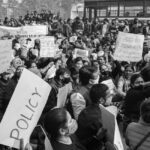
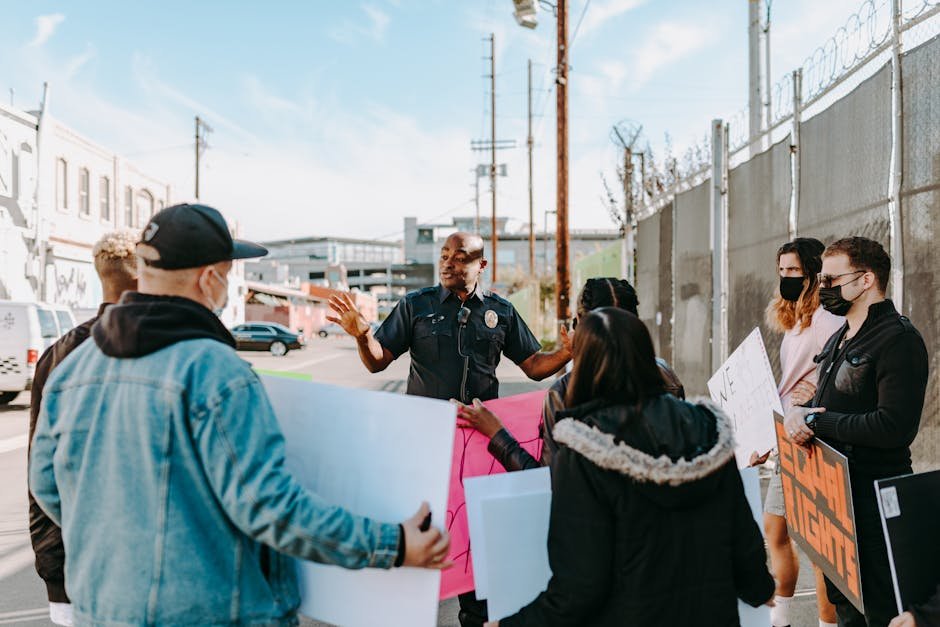
Challenges persist: Apathy stems from perceived corruption in civic bodies and disconnect between votes and outcomes. Economic pressures, like job scarcity post-graduation, deter participation. Yet, issues like climate resilience in flood-prone Mumbai or green spaces in Pune resonate strongly, aligning with youth activism seen in national protests.
Potential Impact on Outcomes
Youth votes could swing close contests in multi-member wards. Parties like Shiv Sena factions, BJP, and Congress are tailoring manifestos with youth quotas in jobs and digital governance. In BMC, where family politics brews tensions within BJP ranks, fresh faces might challenge entrenched dynasties.
Analysts predict higher youth influence in progressive wards, pushing for sustainable policies. If turnout exceeds expectations, these first-timers could redefine municipal priorities, fostering accountable local leadership.
Pathways for Greater Participation
To maximize impact, youth must verify enrollment on mahasec.maharashtra.gov.in. Peer-led campaigns and simplified voting apps will aid logistics on poll day. Ultimately, this demographic’s debut could herald a more vibrant democracy at the grassroots.
(Word count: 712)